
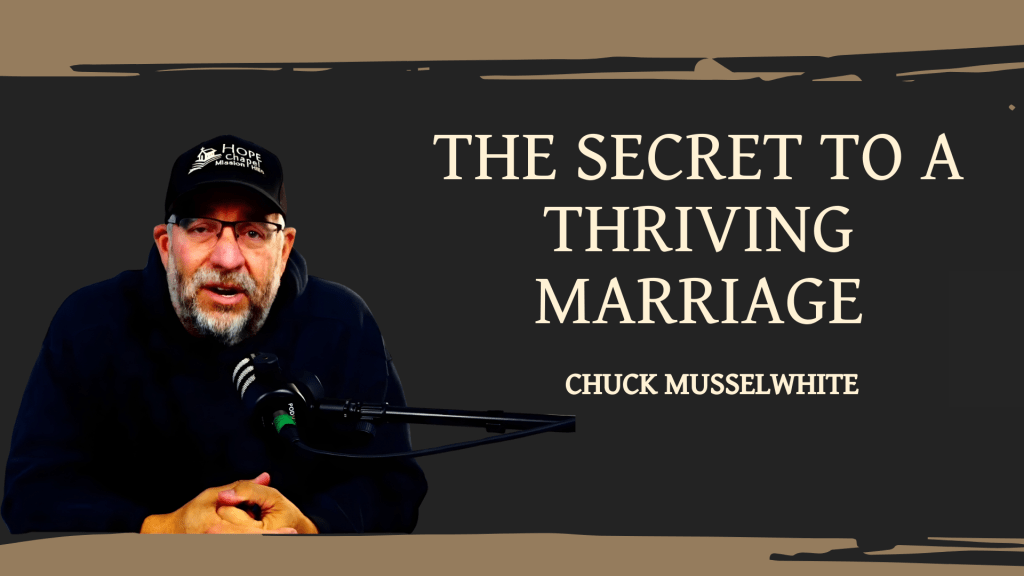
Marriage is a sacred covenant designed by God to bring two people together in a unique and powerful way. While many aspects contribute to a healthy marriage, there’s one fundamental principle that stands above the rest in helping marriages truly thrive.
What Does “Becoming One” Really Mean in Marriage?
In Ephesians 5:31, Paul writes, “Therefore, a man shall leave his father and mother and hold fast to his wife, and the two shall become one flesh.” This scripture is frequently shared at weddings and in marriage counseling, but do we truly understand what it means to “become one”?
Becoming one doesn’t mean dressing alike or spending every waking moment together. Rather, it encompasses spiritual, physical, and emotional oneness where your hearts are knit together. It’s about:
- Having your hearts connected in love and understanding
- Being able to look across a room and know what your spouse is thinking
- Making each other better and stronger together than apartComplementing each other’s strengths and weaknesses
When God created Eve as a helpmate for Adam, the intention wasn’t for one to rule over the other, but for them to complete one another. Like a great basketball player who makes everyone around them better, spouses should elevate each other.
Three Ways to Strengthen Your Marital Oneness
1. Leave and Cleave
The principle of “leaving and cleaving” appears from the very beginning in Genesis. When Ephesians mentions leaving father and mother, it literally means to “turn one’s back” – not in rebellion, but in prioritization.
Your spouse must become your biggest priority and most important relationship. While you still honor your parents and extended family, your marriage becomes your main focus. When outside family influences continue to control or dominate your relationship, it damages the oneness God intended.
2. Love Your Spouse as Yourself
Many marriages struggle because spouses don’t love each other as much as they love themselves. Ephesians 5:28 instructs, “In the same way, husbands should love their wives as their own bodies. He who loves his wife loves himself.”
This isn’t about romantic love, which fluctuates, but about agape love – unselfish, unconditional love that:
- Wants the best for your spouse
- Gives preference to them
- Arranges your schedule to accommodate them
- Considers them before making plans
We naturally love ourselves without effort. The challenge is extending that same level of care and consideration to our spouse.
3. Battle for Your Oneness
Various forces will attempt to tear at the fabric of your marital oneness. You must actively fight against these threats:
Family ties – When extended family demands preference over your marriage unit, it can damage your oneness. Love your extended family, but prioritize your immediate family first.
Career pursuits – Chasing promotions, wealth, or recognition can pull you away from your marriage. While providing financially is important, it shouldn’t come at the cost of your relationship.
Children – Surprisingly, even your children can become wedges in your marriage if you turn them into “walking idols.” Many couples divorce after children leave home because they’ve invested everything in their kids and nothing in their marriage.
Why Is Oneness So Important?
When God joins a couple in marriage, He sees you as one unit. This oneness isn’t just a nice concept—it’s the foundation that helps you:
- Weather life’s storms together
- Withstand temptations and challenges
- Support each other through fatigue and difficulty
Life Application
Marriage requires intentional effort. Just as you would dedicate yourself to any important job, your marriage needs consistent attention and care. This week, commit to strengthening your marital oneness with these practical steps:
- Evaluate your priorities: Is your spouse truly your number one human relationship? What practical changes might you need to make to demonstrate this?
- Love assessment: In what ways do you care for yourself that you might not extend to your spouse? How can you begin loving them with the same consideration you naturally give yourself?
- Identify threats: What specific things might be threatening your oneness? Have a honest conversation with your spouse about potential wedges in your relationship.
- Schedule oneness time: Set aside dedicated time this week just to connect with your spouse without distractions.
Remember, becoming one isn’t automatic after the wedding day—it’s a lifelong journey that requires intention and effort. As you prioritize this biblical principle, you’ll discover the foundation for a truly thriving marriage.




 Chuck Musselwhite
Leave a comment